
Access free Revision Notes, exam-style Mock Exams, and generate past paper questions with Testpapers, designed by Cambridge-certified teachers. Unlock Interactive Video lessons with topic-level Diagnostic Reports that show you exactly where to focus next.
 4 topics: 360 hours
 Cambridge CAIE 9706
 100% Online
Browse all 4 topics covered across AS and A2 Level, with resources structured to guide your learning throughout the year.
AS Level candidates also study practical skills.
Start with free revision resources and practice materials, or unlock the complete Learning Hub experience with interactive lessons, downloadable notes, and personalised learning support.
 Free + premium
Video lessons for every topic, with End-of-lesson quizzes and Diagnostic Reports.
Watch Interactive Videos >Free + premiumTeacher-made summarised notes for important topics. Available to download with Premium Plans.
Browse Revision Notes >FREETime-based exam-style questions with a personalised Diagnostic Report after every attempt.
Take a Mock Exam >In-app currency (Tutor Credits)Generate past paper questions, filter by year, session, and paper type. Mark Schemes included.
Generate Testpapers >In-app currency (Tutor Credits)Get exam-style evaluations and feedback from our Subject Tutors.
Connect with Tutor >Study with Interactive Videos, track your progress with Diagnostic Reports, generate targeted practice questions, and get support from expert Tutors.
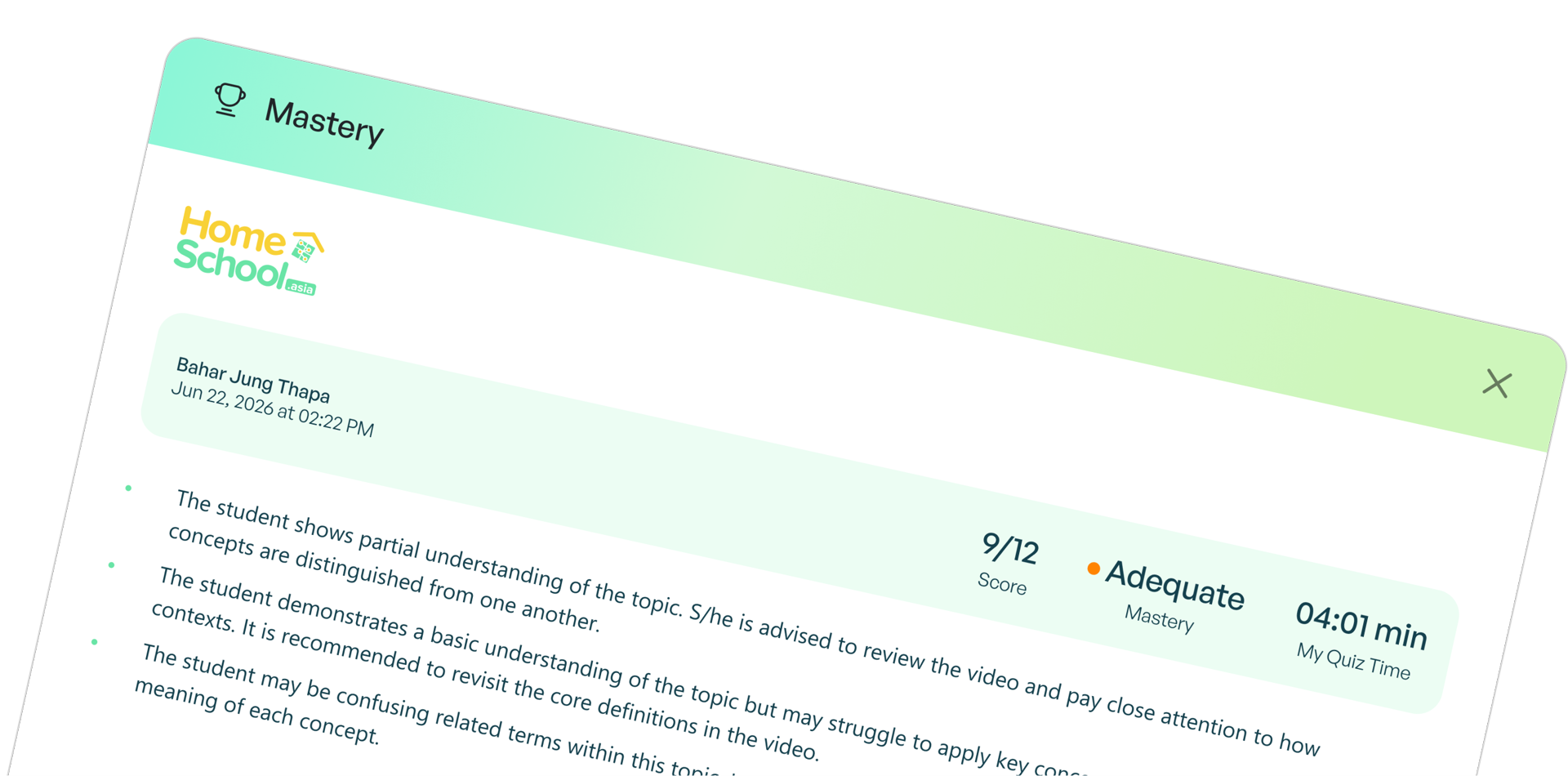
Track your progress, topic by topic, with personalised Diagnostic Reports, to identify your knowledge gaps and guide you towards Complete Mastery.
Denotes significant gaps in understanding of key concepts within the topic.
Indicates a solid understanding of the topic, with some areas still requiring improvement.
Shows a strong command of the topic and exam-level readiness.
Learn how Cambridge A Level Accounting (9706) is assessed across AS and A2 Level.
Paper 1
Multiple Choice
Paper 2
AS Structured Questions
Paper 3
Financial Accounting
Paper 4
Cost & Management Accounting


Create customised Testpapers with past paper questions to practice by paper type, topic, or difficulty level to match your learning objectives and assessment needs.
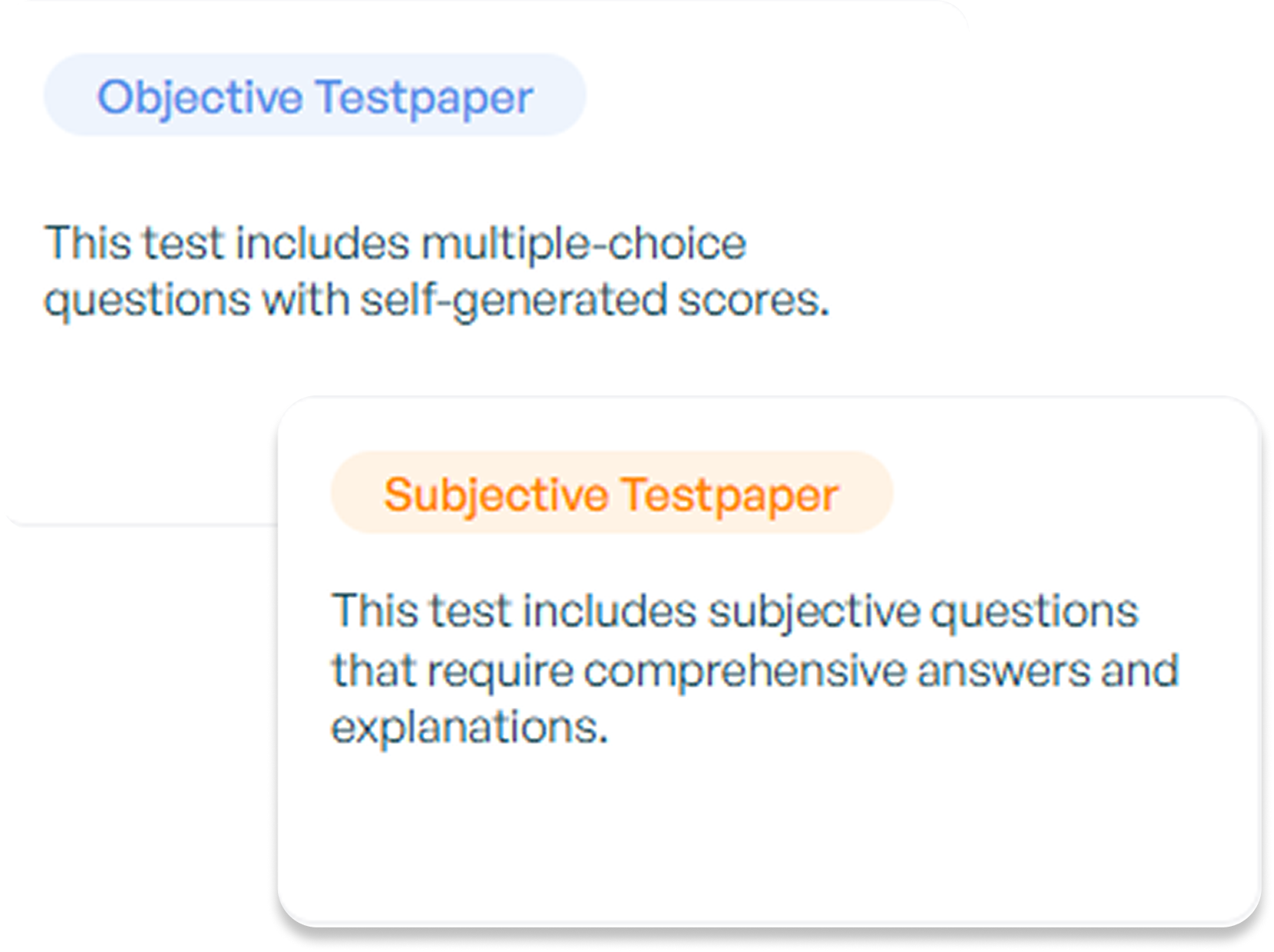
Begin with free resources or unlock more with our packages to start learning from your home.


Very important. Cambridge examiners specifically reward correctly formatted financial statements, ledger accounts, and workings, and marks can be lost even when the final figures are right if the layout doesn’t follow the expected accounting conventions. Practising with real past paper questions and checking your layout against the Mark Scheme is one of the most effective ways to pick up these formatting marks consistently.
A Level Accounting (9706) has 4 papers. AS Level candidates sit Paper 1 (Multiple Choice) and Paper 2 (AS Structured Questions). A2 Level candidates then sit Paper 3 (Financial Accounting) and Paper 4 (Cost & Management Accounting). Each paper builds on the technical knowledge from the one before it, so a strong AS foundation makes the A2 papers significantly easier to handle.
Paper 3 (Financial Accounting) focuses on preparing and interpreting financial statements, business mergers and acquisitions, and the regulatory and ethical considerations behind reporting. Paper 4 (Cost & Management Accounting) shifts towards internal decision-making tools like standard costing, budgeting, and investment appraisal, which are used by businesses to plan and control operations rather than report to external stakeholders. Many students find Paper 4 more calculation-heavy, while Paper 3 demands more written explanation and judgement.
A Level Accounting requires solid arithmetic and the ability to apply formulas accurately, particularly in topics like Costs and Cost Behaviour, Standard Costing, and Investment Appraisal, but it doesn’t demand the depth of mathematical reasoning that A Level Mathematics does. The bigger challenge for most students is interpreting business scenarios correctly and applying the right accounting treatment, which comes from repeated exposure to varied past paper contexts.
The Freemium Plan gives limited access to Interactive Videos and Diagnostic Reports for introductory chapters only. The Premium Plan unlocks full access to all 4 topic areas across AS and A2 Level, including every Interactive Video lesson, downloadable Revision Notes, Diagnostic Reports for every chapter, and additional Tutor Credits to generate Testpapers or get exam-style feedback from a Subject Tutor.